
Network Progressive Jackpot Rules: What Players Should Check

Network Progressive Jackpot Rules: What Players Should Check

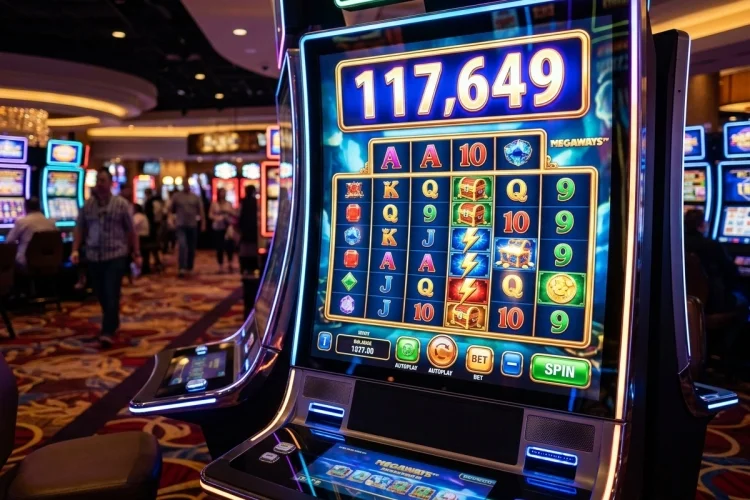
A giant jackpot banner may tell you the current prize, but it usually does not explain whether your selected bet qualifies. Those important details are normally found inside the game rules.

Before joining a Network Progressive Jackpot, players should identify the connected games, minimum wager, winning trigger, reset value, and Return to Player information.

They should also understand whether the pool operates locally, across multiple venues, or through several online platforms.

Checking these points cannot improve the random probability of winning. It can, however, prevent someone from placing non-qualifying bets or misunderstanding what the advertised prize represents.

Confirm the Size of the Network

Start by learning which games and locations share the prize.

A linked jackpot connects multiple instances of gaming equipment to one payoff. A multi-site arrangement extends that linked system across several gaming venues and may connect to an interactive gaming platform where permitted.

Do not assume that every slot with similar artwork belongs to the same network. The provider or operator should identify the participating games.

Check the Qualifying Wager

Some network progressives allow every stake to compete for the prize. Others require a minimum bet, specific denomination, side wager, or number of active lines.

UK jackpot guidance requires ineligibility to be made clear before play. It also requires disclosure of the theoretical RTP applying when someone cannot win the progressive component.

Calculate the practical cost. A $25 budget provides 125 rounds at $0.20 but only 25 rounds at a qualifying $1 stake, before considering returned prizes.

Understand the Winning Event

The jackpot might be awarded through matching symbols, a bonus wheel, a random mystery event, or a separate draw.

The rules should describe what constitutes a win and how the prize is determined. General game standards also require information about jackpot contributions and operating mechanics to be available before a wager is made.

Do not rely on animation or familiar symbols from another title. Each game can use different conditions.

Review the Seed, Current Value, and Cap

Find the seed value that applies after a win and confirm whether the prize has a maximum ceiling.

If the jackpot reaches its cap, later contributions may be placed into an overflow pool or handled under another disclosed arrangement.

Reaching the maximum does not force an immediate payout. The winning trigger still follows the approved game rules.

Read the RTP Information Carefully

The displayed RTP may combine ordinary game prizes with the jackpot contribution. It can also be divided into separate base-game and progressive percentages.

Progressive jackpots are typically infrequent and large, producing high volatility. Regulators therefore recommend monitoring the base game separately rather than allowing rare jackpot wins to dominate the performance figures.

A combined percentage does not mean an individual player is likely to receive the jackpot component.

Check How Simultaneous Wins Are Handled

A network may process activity from many games at almost the same moment. Communication timing can make two jackpot triggers appear simultaneous.

The rules should explain how genuine or apparent simultaneous wins are resolved. Multi-site standards also require the system to record the winning game, location, trigger time, and payout.

These procedures matter when one prize is shared across a large network.

Verify Testing and Security Information

Network jackpot technology should accurately collect contributions, update the meter, recognise triggers, and communicate resets.

UK testing guidance states that approved test houses should examine progressive designs and trigger functionality to verify that the system can deliver its stated RTP.

GLI’s technical standard also addresses controller authentication, secure communications, audit records, and system recovery.

Testing supports fairness but does not predict who will win.

Avoid Common Jackpot Myths

A large prize is not necessarily closer to paying than a recently reset one. The meter reflects accumulated value, not a countdown.

Random outcomes should remain unpredictable, and adaptive behaviour that compensates for previous results is not permitted in regulated RNG games.

Near misses, long gaps between wins, and rising prize values do not create a dependable betting strategy.

Before playing a network jackpot, confirm the participating games, qualifying wager, trigger method, seed, cap, RTP breakdown, and payout procedures.

A transparent system should also explain simultaneous triggers and show the current prize to eligible players. Never assume that every wager competes for the jackpot or that a long-running pool must pay soon.

Read the official information before depositing, calculate how quickly the required stake could consume your budget, and stop when your planned limit is reached.

When eligibility or payout rules remain unclear, choose a more transparent game rather than gambling based on assumptions.

Progressive Jackpots vs Fixed Jackpots: Which Is Easier to Understand?

Progressive Jackpots vs Fixed Jackpots: Which Is Easier to Understand?

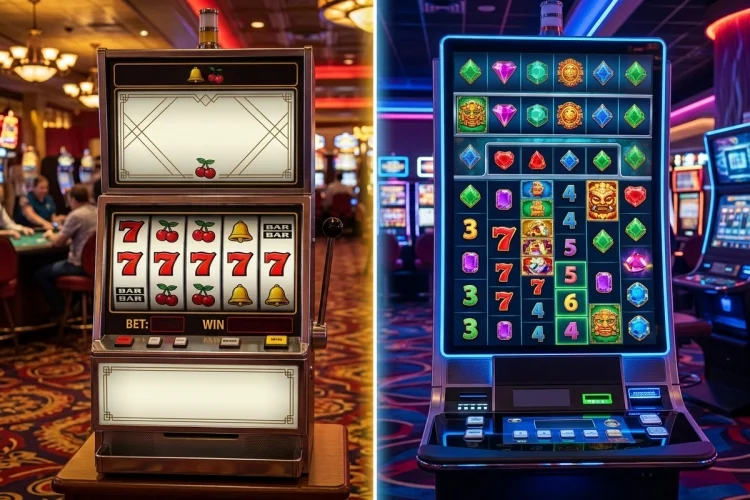
A huge progressive meter can be exciting, but it also introduces extra details that are not always present in a fixed-jackpot slot. Players may need to check the seed value, contribution system, jackpot network, qualifying bet, and post-win reset.

A fixed jackpot is usually more straightforward because its top award is listed directly in the paytable. However, straightforward does not mean low-risk or easy to win.

This practical comparison of Progressive Jackpots vs Fixed Jackpots focuses on transparency and game rules. It explains what beginners should examine before deciding whether they fully understand the available prize.

Fixed Jackpots Offer a Predictable Top Value

A fixed jackpot uses a predetermined award or multiplier. If the paytable lists a maximum of 2,500 times the bet, that value does not increase as other people play.

A $2 qualifying stake would therefore create a theoretical maximum of:

2,500 × $2 = $5,000

Some games use one fixed currency amount instead. Others scale the prize with the selected coin value or total stake.

Progressive Jackpots Need More Information

A progressive jackpot can change continuously. Its rules should disclose the funding method, starting seed, ceiling value, prize determination, and reset procedure.

Eligible players should also be able to see the current amount, with the displayed value updated after changes and particularly after a win.

These extra details make progressive systems more complex than a standard fixed paytable.

Look at the Jackpot Network

A progressive may be standalone, linked locally, or shared across multiple sites.

Multi-site jackpots offer one common prize across participating venues or systems. GLI’s progressive-jackpot standard includes separate technical requirements for multi-site systems because their integrity depends on linked components and reliable communication.

The network size may influence how quickly the prize grows. It does not by itself tell you the probability of winning.

Check Whether You Are Eligible

A game might require a specific stake or feature setting before the progressive jackpot becomes available. Players contributing to a pool should generally be eligible to win while participating in that game.

Fixed jackpots can also have conditions, such as maximum active lines or a required coin level. The difference is that these rules are often easier to display within one simple paytable.

Confirm eligibility before placing the first wager, not after seeing a near miss.

Understand What Happens at the Ceiling

Some progressive jackpots stop growing when they reach a maximum value. This is known as the ceiling or cap.

Rules should explain where later contributions go after the cap is reached. They might enter a reserve pool, support another progressive level, or be handled through another approved process.

A jackpot reaching its ceiling does not necessarily mean it must be awarded on the next spin.

Read the Trigger Rules Carefully

Both jackpot types can use premium symbols, bonus wheels, mystery triggers, or special features.

With a fixed prize, the trigger usually awards the amount shown in the paytable. With a progressive, the same event may award the meter value recorded at the relevant time.

The rules should also explain how apparent simultaneous wins are resolved on connected systems, including situations involving network latency.

Compare Maximum Prize With Regular Payouts

It is easy to focus entirely on the jackpot and ignore ordinary gameplay. Check how frequently lower-value symbols pay, whether bonus rounds contribute heavily to the RTP, and how volatile the base game is.

A slot with a modest fixed jackpot may offer a simpler payout structure. A progressive title may place more emphasis on a rare headline event.

Neither design is universally better. The clearer choice is the game whose rules, costs, and possible outcomes you can explain without guessing.

Use the Official Game Information

Regulated remote games should make their rules, payouts, and likelihood-of-winning information available before a wager is committed.

Open the paytable and locate the jackpot trigger, stake requirement, RTP, maximum payout, and volatility. For progressives, also check the seed, current amount, network, and reset terms.

Independent certification can help verify that game features and prize calculations operate as described.

Fixed jackpots are generally easier to understand because their maximum award remains predetermined. Progressive jackpots involve more moving parts, including funding contributions, seed values, networks, eligibility rules, ceilings, and resets.

Choose based on transparency rather than prize size. Read the full paytable and confirm exactly what must happen to win, how much each qualifying round costs, and whether the jackpot component is included in the displayed RTP.

When rules are unclear, select another game or remain in demo mode. Treat jackpots as unpredictable entertainment features, establish firm time and spending limits, and never continue merely because a progressive meter looks close to paying.

Megaways Slots vs Traditional Payline Slots: Wins and Risk

Megaways Slots vs Traditional Payline Slots: Wins and Risk

The phrase “117,649 ways to win” sounds more attractive than “20 paylines.” However, comparing those numbers directly can be misleading. They explain how the game checks symbol combinations, not how frequently players make a profit.

This guide to Megaways Slots vs Traditional Payline Slots focuses on payouts, volatility, RTP, and practical risk. Megaways games often contain changing reels, cascades, and large maximum-win figures.

Traditional titles usually provide a fixed grid and easier-to-follow line patterns. Neither structure automatically offers a higher return.

Two games using different formats can share the same RTP while distributing their prizes in completely different ways. Understanding that distinction is more useful than choosing the title with the biggest advertised number.

More Ways Do Not Guarantee More Wins

A Megaways grid with 117,649 routes provides many possible combinations of symbol positions. Those routes only pay when the correct matching icons appear across the required reels.

A traditional slot with 20 paylines checks fewer predefined patterns. However, its symbol frequencies and payout table can be designed to produce wins at a different rate.

The number of ways or lines cannot reveal the full probability of winning. It must be considered alongside the mathematical model.

RTP Is Separate From the Slot Format

Return to Player represents the theoretical percentage of total wagers returned as prizes over extended play.

Megaways itself does not have one standard RTP. Individual titles and software versions can use different percentages. Traditional line games also vary widely.

The UK Gambling Commission requires regulated remote games to provide information such as RTP, house edge, or the probability of winning events before a customer gambles.

Check the percentage inside the active title rather than assuming that its reel format determines its value.

Volatility Shapes the Session

Volatility describes how prizes may be distributed. A high-volatility game may go through longer periods without a substantial payout but offer access to larger potential wins.

Many Megaways titles are promoted with complex bonuses and large maximum multipliers, which can be associated with high volatility. For example, Evolution describes MONOPOLY Megaways as a high-volatility game.

Traditional paylines can also be highly volatile. A fixed grid does not automatically mean steadier results.

Hit Frequency Is Not Profit Frequency

Hit frequency estimates how often a recognised winning combination occurs. It does not show how often a payout exceeds the stake.

Suppose a player wagers $1 and receives $0.40. The game records a win, but the net result is a loss of $0.60.

A title can therefore create frequent animations while gradually reducing the balance. Compare every return with the cost of the triggering spin.

Cascades Can Extend One Paid Round

Megaways slots frequently include reactions. After a winning combination, its symbols disappear and replacements enter the grid.

Several consecutive wins can therefore come from one initial stake. Bonanza uses Dual Reactions alongside up to 117,649 winning ways.

Traditional titles may also include avalanches or cascades. Gonzo’s Quest, for example, uses a 20-payline layout with avalanche mechanics and increasing multipliers.

Cascades are therefore common in Megaways but not exclusive to it.

Bonus Features Can Concentrate Returns

A portion of a game’s theoretical RTP may come from free spins, wild features, multipliers, or jackpots.

If important prizes are concentrated in a rare bonus round, the base game may feel less rewarding during short sessions. A title with simpler paylines may distribute its return differently.

This does not make either format better. It means players should check how the bonus is triggered, whether it can be retriggered, and how its payouts are calculated.

Compare the Cost of Repeated Spins

Stake size can affect a short session more immediately than a small RTP difference.

A $20 budget covers 100 spins at $0.20 but only 20 spins at $1, before accounting for returned prizes. A dynamic grid does not reduce the price of repeated rounds.

Confirm the total bet before every session. Do not increase it because the reels have recently displayed smaller grids or several near misses.

How to Make a Fair Comparison

Compare games using the same categories: official RTP, volatility, minimum stake, maximum payout, bonus contribution, and understandable rules.

Then consider the presentation. Traditional paylines may suit players who value consistency, while Megaways may appeal to those who enjoy changing layouts.

The best-informed choice is the game whose cost and mechanics you fully understand-not necessarily the one with the largest headline figure.

Megaways and traditional payline slots organise wins differently, but neither format removes random variation or the operator’s long-term mathematical advantage.

Megaways uses variable reels and adjacent-symbol routes, while traditional games evaluate fixed line patterns. Both can include cascades, free spins, multipliers, and high volatility.

Do not use the number of ways or paylines as a shortcut for judging value. Check the official RTP, understand how bonus features contribute to payouts, and calculate the cost of repeated spins.

Use only an affordable entertainment budget, avoid chasing losses, and choose a game based on clear rules rather than promises of easier wins.

Ways to Win Can a Megaways Slot Have Beyond 117,649?

Ways to Win Can a Megaways Slot Have Beyond 117,649?

The number 117,649 is closely associated with Megaways, but it is not the highest total ever used. Developers can add extra symbols, special reels, or expanding bonus grids that push the number much further.

Some games exceed 200,000 ways, while selected free-spin rounds can reach one million. These larger numbers make the screen more dynamic, but they should not be interpreted as guaranteed wins or automatically better value.

To understand how many ways to win can a Megaways slot have, players must check whether the advertised figure applies to the base game, a temporary feature, or the maximum possible bonus configuration.

Why 117,649 Is Only the Standard Maximum

The familiar figure comes from six reels displaying seven symbols each:

7 × 7 × 7 × 7 × 7 × 7 = 117,649

Big Time Gaming describes this as the standard maximum offered by its dynamic reel mechanic.

However, licensed developers can modify the grid. An extra reel, taller reel positions, or a special symbol-expansion system changes the calculation.

White Rabbit Reaches 248,832 Ways

Big Time Gaming’s White Rabbit begins with a Megaways structure that can expand during free spins.

Cake symbols add two extra positions to selected reels. When enough reel extensions occur, the game can reach a maximum of 248,832 Megaways.

That maximum applies to the expanded feature rather than every ordinary base-game spin. The current grid still depends on which reel extensions have been collected.

Pirates’ Plenty Can Offer 200,704 Ways

Another example is Pirates’ Plenty Megaways. Its Lady Anne feature adds a horizontal extra reel above the main grid.

Evolution’s official game page states that the fully loaded setup can produce up to 200,704 Megaways.

This illustrates how an additional reel can change the multiplication. The number is based on the complete feature layout rather than the standard six-reel formula.

Some Bonus Rounds Reach One Million

Wheel of Fortune Megaways uses a base game with up to 117,649 ways. During free spins, however, its expanded structure can offer as many as 1,000,000 ways to win.

The million-way figure is therefore not available on every paid spin. It is connected to a particular bonus state with different reel conditions.

When a game advertises an unusually large number, check where and when that maximum can occur.

Does One Million Ways Mean Better Odds?

Not automatically. One million possible position routes do not mean one million guaranteed chances of collecting a profitable payout.

The symbol probabilities and paytable values are designed around the larger grid. Developers can adjust how frequently premium symbols appear, how many adjacent reels are required, and how much each combination pays.

The RTP may therefore be similar to a game offering far fewer ways. The larger figure describes the layout, not the operator’s mathematical advantage.

RTP and Volatility Must Be Checked Separately

Return to Player estimates the percentage of total stakes returned as prizes over extensive play. Volatility describes how widely and unevenly those prizes may be distributed.

Neither measurement can be calculated from the number of Megaways alone. A million-way bonus could still belong to a highly volatile title with rare larger payouts.

Check the official game information rather than assuming that more symbol routes create a safer or more rewarding game.

Base-Game and Bonus Maximums Are Different

A common source of confusion is an advertisement that highlights the largest bonus configuration without explaining the ordinary base-game range.

Look for wording such as “up to,” “during free spins,” or “when fully expanded.” These phrases show that the maximum depends on special conditions.

Player-facing rules should explain the game mechanics, bonus qualifications, prizes, and likelihood of winning before money is committed.

How to Compare Megaways Games

Instead of comparing only the maximum number, examine the minimum and maximum reel heights, the number of reels, winning direction, cascade system, free-spin trigger, RTP, and volatility.

Also check whether large layouts occur regularly or only after collecting several rare feature symbols.

A smaller, clearer grid may be easier to understand than a game advertising hundreds of thousands of temporary routes.

Although 117,649 is the standard Megaways maximum, individual games can go much further.

White Rabbit can reach 248,832 ways, Pirates’ Plenty Megaways can offer 200,704, and Wheel of Fortune Megaways advertises up to one million during free spins.

These totals describe possible symbol routes under specific reel conditions. They do not guarantee payouts, improve RTP automatically, or predict the next result.

Read whether the maximum applies to the base game or a bonus, review the paytable carefully, and compare volatility and stake size. Treat the impressive number as a game mechanic-not as a promise of winning more.

Can Free Spins Be Retriggered? What to Check Before Playing

Can Free Spins Be Retriggered? What to Check Before Playing

Two online slots can look almost identical while handling free-spin retriggers in completely different ways. One may add extra rounds whenever three scatters appear, another may offer only one possible extension, and a third may disable retriggers entirely.

That makes the question can free spins be retriggered? impossible to answer from the artwork alone. The most reliable source is the rule set inside the exact game version you are viewing.

A quick check of the paytable can reveal the required symbols, added-spin value, multiplier behaviour, and any maximum limit. It can also prevent common misunderstandings about near misses, “due” bonuses, and promotional spins.

Open the Paytable First

Look for an information icon, question mark, menu button, or “How to Play” link. The free-spins section should describe both the original trigger and any retrigger conditions.

Regulated remote games should make rules about qualifying for bonus rounds and the behaviour of those features easy to locate before a customer wagers.

If the paytable explains the initial feature but says nothing about added rounds, do not assume retriggers are available.

Check the Symbols and Their Placement

A retrigger may require scatters, bonus icons, collected tokens, or a mystery event. Quantity is only part of the rule because placement may also matter.

Three symbols anywhere on the grid may qualify in one title. Another game may require icons on reels one, three, and five. The active rules should show the exact pattern, often with a small diagram.

Look for Caps and Reset Rules

Find out whether repeated retriggers are possible and whether the feature has a maximum length. A game may cap the total number of spins, allow only one extension, or stop adding rounds after a collection meter is complete.

Also check whether sticky wilds, multipliers, or expanding reels remain active. Extra spins are more meaningful when accumulated mechanics continue, but some titles reset part of the feature after a retrigger.

Do Not Confuse In-Game and Promotional Spins

In-game free spins are part of the slot’s mathematical design and are activated by its published rules. Promotional spins are awarded by an operator for registration, deposits, or another campaign.

Promotional offers may include fixed spin values, eligible-game restrictions, expiry dates, or limits on bonus funds. The UK Gambling Commission advises customers to understand whether they are using their own money or bonus funds subject to additional conditions.

A promotional batch cannot normally be “retriggered” in the same way as an in-game feature.

Ignore the Near-Miss Myth

Seeing two scatters followed by a third symbol just outside the reel window can feel like evidence that a retrigger is approaching. It is not a reliable prediction.

Technical standards require RNG-driven outcomes to remain unpredictable and prevent rules or probabilities from changing while the game is available, except where the published rules allow it.

Independent laboratories also test RNGs and feature behaviour before release in regulated markets. Previous near misses do not force the next bonus spin to extend the feature.

Use Demo Mode to Learn the Interface

A free-play version can help you locate the rules, recognise retrigger symbols, and observe how added rounds appear on the counter. It is useful for learning complicated features without risking money.

However, a successful demo bonus does not forecast real-money results. Random outcomes can vary, and the purpose of practice mode is understanding controls and mechanics rather than predicting returns.

Compare the Bonus With the Overall Balance

A long retriggered feature may look impressive while producing only small returns. Always compare the final bonus total with the triggering stake and the session’s starting balance.

For example, a $1 paid spin might unlock a feature that returns $0.70 after several retriggers. The bonus lasted longer, but the triggering round still produced a net loss of $0.30.

Free spins can be retriggered only when the exact slot rules provide a qualifying event during the bonus. The number of required symbols, their positions, the added rounds, and any caps or resets can all vary.

Before playing, inspect the active paytable rather than relying on a review of another version. Separate built-in bonus mechanics from operator promotions, and never treat near misses as evidence that extra spins are coming.

Use demo mode to understand unfamiliar features, monitor the actual balance, and keep real-money play within strict limits. An entertaining retrigger extends the feature, but it does not remove randomness or financial risk.

Free Spins Bonus Round vs Promotional Spins: Key Differences

Free Spins Bonus Round vs Promotional Spins: Key Differences

The phrase “free spins” can describe two features that are easy to confuse. One appears naturally inside a slot after qualifying symbols land.

The other is supplied by an online casino as a registration reward, deposit offer, or loyalty promotion.

A Free Spins Bonus Round is part of the game itself. Promotional spins are external incentives controlled by the operator’s terms and conditions.

Both can provide rounds without deducting a fresh cash stake for every spin, but their triggers, values, restrictions, and withdrawal rules can be very different.

Understanding the distinction is essential before assuming that an advertised batch of free spins works like the bonus feature shown inside a slot.

An In-Game Bonus Is Part of the Slot

An in-game feature is activated through the game’s published rules. It may require scatter symbols, collected objects, a mystery trigger, or another qualifying event.

The feature normally keeps the stake used on the activating spin. Its wilds, multipliers, retriggers, and payout rules are included in the slot’s paytable.

Technical standards require information about qualifying for bonus rounds and their behaviour to be available to players.

Promotional Spins Come From the Operator

Promotional spins are awarded outside the normal slot mechanics. A platform might provide them after registration, a deposit, loyalty activity, or participation in a campaign.

The operator normally chooses the eligible game and the fixed value of each spin. Players often cannot adjust the stake.

For example, 20 promotional spins worth $0.20 each represent $4 in nominal wagers:

20 × $0.20 = $4

That does not necessarily mean the player receives $4 in withdrawable cash.

Triggering Conditions Are Different

An in-game bonus requires a random qualifying outcome. Promotional spins may require an account action, deposit, opt-in, or minimum level of casino play.

The promotional terms should explain exactly what must be completed. Conditions may also vary by age, location, payment method, account status, or campaign period.

Never deposit solely because the headline makes the reward sound automatic. Read the qualifying requirements first.

Expiry Dates Apply to Promotions

An ordinary in-game feature begins immediately after it is triggered and normally continues until all awarded rounds are completed.

Promotional spins may expire within hours or days. Any winnings generated from them can sometimes have a separate deadline or bonus-balance status.

An expiring reward should not pressure someone into gambling at an inconvenient time. Skipping an offer is safer than making an impulsive deposit or extending a session.

Winnings May Have Additional Conditions

Prizes from an in-game bonus are generally added to the normal game balance. Promotional winnings may instead enter a restricted bonus wallet.

Some promotions apply wagering requirements before funds become withdrawable. In Great Britain, bonus wagering requirements have been capped at ten times since January 19, 2026, and mixed-product promotions are prohibited under the new rules.

Other jurisdictions use different regulations, so the conditions must be checked locally.

Maximum Conversion Rules May Apply

A promotion may place a maximum limit on how much can be converted into withdrawable cash. For example, a player could win $80 from promotional spins but face a maximum cash conversion of $20.

There may also be maximum-bet rules during any required wagering. Breaking those conditions could affect the bonus balance.

In-game feature winnings usually follow the slot’s ordinary maximum-payout rules instead of a separate promotional conversion cap.

Neither Type Guarantees a Profit

In-game and promotional spins both use the slot’s random game outcomes. RNG testing is designed to verify that individual results are unpredictable and unbiased.

A promotional label does not improve the probability of a winning symbol combination. Likewise, triggering an in-game feature does not ensure that the total prize will exceed earlier spending.

Review the overall balance and avoid depositing additional money to recover an unsuccessful bonus.

An in-game Free Spins Bonus Round is a feature built into a slot and activated through its published rules.

Promotional spins are operator-provided incentives that may include fixed stakes, eligible-game restrictions, expiry dates, wagering conditions, and conversion limits.

Check which type is being offered before playing. For an in-game feature, read the paytable and triggering rules. For a promotion, examine every significant condition before opting in or depositing money.

Never let an expiry deadline create urgency, and do not chase disappointing bonus results. Use promotions only where legal, maintain firm spending limits, and decline any offer that feels unclear or difficult to control.

Does a Higher RTP Mean You Will Win More? A Practical Guide

Does a Higher RTP Mean You Will Win More? A Practical Guide

Players often search for the slot with the highest RTP because it appears to offer the best chance of winning. The idea is understandable: if one game returns 97% and another returns 93%, the first seems like the obvious choice.

But does a higher RTP mean you will win more in a real playing session? It may reduce the theoretical long-term cost, but it does not guarantee more payouts, a longer-lasting balance, or a profit.

Using RTP properly requires checking the exact game version, understanding turnover, and separating theoretical percentages from short-term results. Here is a practical way to interpret the number without expecting more than it can provide.

Verify the Percentage Inside the Game

Start by opening the slot’s paytable, information screen, or help menu. Look for “Return to Player,” “theoretical return,” or “payout percentage.”

The active game should be your primary source. Developers may supply the same slot in several configurations, so an online review might describe a different percentage.

Regulated remote games are expected to make information about prizes, rules, and the likelihood of winning accessible before a customer commits to play.

Compare the Theoretical House Edge

Convert RTP into house edge by subtracting the percentage from 100.

A 98% slot has an implied theoretical edge of 2%. A 95% game has an edge of 5%.

If both process $10,000 in turnover, their theoretical operator shares would be approximately $200 and $500 respectively. Actual results can differ significantly, particularly when the number of rounds is limited.

Remember That RTP Uses Turnover

Turnover means the total value of all wagers, including money won and wagered again.

Suppose someone deposits $20 and completes 100 rounds at $0.50 each. The total turnover is $50, even though the original deposit was only $20.

Repeatedly recycling small prizes creates additional turnover. This gives the mathematical house edge more opportunities to influence the final balance.

Separate Theoretical and Actual RTP

Theoretical RTP is built into the game’s design. Actual RTP is calculated from the stakes and prizes recorded during a particular period.

The formula is:

Actual RTP = Total Prizes ÷ Total Turnover × 100

A game designed for 96% could temporarily record 90%, 100%, or another figure, depending on the sample and volatility. The UK Gambling Commission notes that small amounts of play produce tolerance ranges that are too large for meaningful conclusions.

Do Not Trust “Live RTP” Predictions

Some websites promote live RTP figures and claim they reveal which games are currently ready to pay. Historical results cannot reliably predict the next random outcome.

A slot that has recently returned less than its theoretical percentage is not required to correct the difference during your session.

eCOGRA notes that RTP is based on millions of transactions and that poor results over a session-or even several days-do not necessarily indicate that a game is malfunctioning.

Consider Stake Size and Volatility

The difference between 95% and 97% RTP may be meaningful across enormous turnover, but it can be overshadowed by volatility during 20 or 50 spins.

A $20 budget provides 100 rounds at $0.20 per spin but only 20 rounds at $1. Lower stakes allow more rounds, although they do not change the randomness of each outcome.

A high-RTP game with rare, large prizes can still consume a small budget quickly.

Use RTP as One Comparison Point

RTP is valuable, but it should be considered alongside volatility, bonus contribution, jackpot eligibility, and the full cost per round.

When two otherwise similar games are available, the higher percentage usually offers the better theoretical value. That still does not make it profitable or predictable.

Set a spending limit before starting and never extend it because the mathematical percentage appears favourable.

A higher RTP indicates a smaller theoretical house edge, not a promise that you will win more during a particular session.

The percentage is based on total turnover across extensive play, while individual results are shaped by randomness and volatility.

Check the official figure inside the active game, confirm that you are comparing the correct versions, and ignore websites claiming to predict immediate payouts from live data.

Calculate the cost of repeated spins before playing and use only money you can afford to lose. RTP can improve your understanding of a slot, but it cannot eliminate risk or turn random gambling into reliable income.

How to Find the RTP of an Online Slot When It Is Hard to Locate

How to Find the RTP of an Online Slot When It Is Hard to Locate

Most online slots display their rules somewhere inside the game, but finding the correct Return to Player percentage is not always straightforward.

The figure may be placed at the end of a long help document, written in small text, or separated from the main paytable.

In other cases, a review may advertise one percentage while the casino’s version shows another. Progressive jackpots and configurable mathematical models can make the search even more confusing.

If you need to find the RTP of an online slot that does not display the figure clearly, follow a careful verification process. The aim is to identify an official theoretical percentage without relying on unsupported “live RTP” predictions.

Search Every Part of the Game Menu

Open the slot and inspect all menu icons before playing. RTP information may appear under “Help,” “Rules,” “About,” “Game Information,” “Payouts,” or “Settings.”

Scroll to the final page of each section. Developers sometimes place technical details after the symbol values and bonus explanations.

On browser-based games, try the page-search command and enter “RTP” or “return.” This may locate the relevant wording faster when the rules are displayed as searchable text.

Inspect the Paytable and Bonus Rules

Some games do not display one percentage at the top of the rules. Instead, the number may appear after an explanation of free spins, multipliers, or jackpots.

Read the entire bonus section because part of the theoretical return may come from features that are triggered infrequently. The percentage covers the complete mathematical model unless the rules say otherwise.

Game information should allow players to understand how the game operates, what payouts are available, and how likely winning events are.

Use the Provider’s Official Materials

Search the developer’s website for the exact slot title. Useful documents may include product sheets, game specifications, certification summaries, or downloadable rule files.

Add the provider’s name to the search rather than entering only the game title. This reduces the chance of landing on an affiliate page that copies inaccurate or outdated information.

Record the percentage you find, but do not stop there. Confirm that the provider’s version number and jurisdiction match the game running at the casino.

Contact Customer Support

When the figure remains unavailable, ask the licensed operator’s support team for the theoretical RTP of the exact game version.

Provide the slot title, developer, platform, and any version number shown in the rules. Request a link or document rather than accepting an unsupported percentage in a chat message.

A reputable operator should be able to direct you to its player-facing rules or obtain the information from the game supplier.

Check the Operator’s Regulatory Status

Confirm that the platform is licensed for the jurisdiction in which it offers gambling. A regulator’s public register can help verify the business and its approved website addresses.

Regulated games may require independent testing before becoming available. The UK Gambling Commission states that testing includes checking whether the advertised RTP is correct and whether the game follows its published rules.

An unknown licence logo or an unverified badge should not be treated as proof of certification.

Distinguish Theoretical From Actual RTP

The number shown in a slot’s rules is normally theoretical RTP. It represents the designed long-term percentage.

Actual RTP is calculated from real wagering activity:

Actual RTP = Total Prizes ÷ Total Turnover × 100

For example, £1,085,000 in prizes divided by £1,200,000 in turnover produces an actual return of approximately 90.42%. This figure may temporarily differ from the designed percentage because of normal game variation.

Players usually need the theoretical figure when comparing slot versions.

Be Careful With Third-Party RTP Lists

Comparison websites can be useful starting points, but their information may be outdated, copied from a default version, or presented without identifying the active configuration.

Treat claims such as “highest RTP today” or “currently paying” with particular caution. The official theoretical percentage does not rise because a slot has recently paid less, and historical performance cannot identify the next random outcome.

Even several days of poor results do not necessarily mean a game is malfunctioning. RTP measurements are based on extremely large numbers of transactions.

Know When Not to Play

When you cannot locate an official percentage or confirm the version, the simplest option is to choose another game.

A lack of transparent rules makes it harder to understand the mathematical cost and verify jackpot eligibility. There are many games whose information is easier to access.

Skipping an unclear slot is not a missed opportunity. Random games do not become more valuable simply because their statistics are hidden.

When RTP is difficult to locate, search every part of the information menu, read the full bonus rules, and consult the developer’s official materials.

You can also ask the licensed operator for documentation and verify that the game has been independently tested. Keep theoretical RTP separate from actual historical performance, and avoid websites claiming to predict which slots are ready to pay.

If the operator cannot provide a clear percentage for the active version, select a more transparent game instead. Before wagering, check all rules, understand the total stake, and treat the entire budget as money that could be lost.

What Is a Slot Machine? Bets, Odds, and Payouts Explained

What Is a Slot Machine? Bets, Odds, and Payouts Explained

Slot machines are simple to operate, but their numbers can be surprisingly confusing. A screen might show a coin value, betting level, total stake, account balance, number of paylines, jackpot value, and payout multiplier at the same time.

Anyone asking what is a slot machine should therefore understand more than reels and symbols. It is also a mathematical game in which every possible result has a programmed probability and prize value.

Learning how stakes, paylines, RTP, and volatility work cannot guarantee a profitable session. It can, however, help beginners understand how much they are risking and whether a displayed “win” actually produced a profit.

Start With the Total Stake

The total stake is the complete amount deducted when one paid round begins. It may be calculated from the coin value, number of coins, betting level, or active paylines.

Suppose a game charges $0.02 on each of 20 active lines. The total cost would be:

$0.02 × 20 = $0.40 per spin

Always check the final total rather than focusing on the smallest number displayed. Regulatory standards may require remote systems to show clear information about a transaction before the customer commits to it.

Use the Paytable as the Rulebook

The paytable lists the symbols, eligible combinations, prize values, bonus conditions, and maximum possible payout.

It may also explain whether winning symbols must begin on the leftmost reel, appear on adjacent reels, or form a cluster. Some games pay in both directions, while others use fixed lines.

Rules and information about prizes should be accessible before a player commits money. Because slot designs vary widely, assumptions based on another game can easily be incorrect.

Understand How a Payout Is Calculated

A payout can be expressed as credits, currency, or a multiple of the applicable stake. The important question is which bet value the multiplier uses.

Imagine that four symbols pay 25 times a line stake of $0.10:

25 × $0.10 = $2.50

The same symbols could produce a different prize when the stake changes. Maximum advertised wins may also require a particular bet level, so the conditions need to be checked carefully.

A Payout Is Not Always a Profit

Games may use sound effects and animations whenever a round returns any amount. However, the returned prize may be smaller than the original wager.

For example, betting $1 and receiving $0.30 creates a $0.30 payout but still leaves a net loss of $0.70.

The clearest way to measure the session is to compare the starting and ending balances. Celebratory graphics should not replace a basic calculation of how much money remains.

What RTP Really Tells You

Return to Player is the theoretical proportion of total stakes that a game is designed to return as prizes across a significant number of rounds.

If a game has a 95% RTP, its theoretical house advantage is approximately 5%:

100% − 95% = 5%

This does not mean every $100 session returns $95. The Gambling Commission explains that RTP is an average reached over substantial play rather than every time a machine is used.

Volatility Affects the Payout Pattern

Volatility describes how widely results may fluctuate. A lower-volatility slot tends to distribute more of its returns through smaller prizes, while a higher-volatility design may reserve more value for less frequent, larger outcomes.

Two games can have similar RTP percentages but feel completely different during short sessions. Neither pattern guarantees that an individual player will win.

Volatility should therefore be viewed as a description of risk distribution, not a tool for predicting the next result.

Random Results Cannot Be Timed

Digital machines use RNG systems to generate outcomes. Regulators expect those results to be unpredictable and statistically random.

Pressing spin at a particular second, changing machines after several losses, or waiting for a “hot” period does not create a dependable advantage.

A near miss also does not indicate that a jackpot is approaching. Each new round carries its own programmed probabilities.

Jackpots Have Separate Conditions

A fixed jackpot has a predetermined prize, while a progressive jackpot can grow as qualifying play contributes to its pool.

Progressive systems should clearly explain how prizes are funded and awarded. They should also disclose when a player or stake level is not eligible for the jackpot.

Read these conditions before playing. A large number displayed above the reels does not automatically mean every wager can win it.

A slot machine turns a selected stake into a random game result and then uses its paytable to calculate any prize. Understanding the total bet, payout multiplier, RTP, volatility, and jackpot conditions makes the cost of playing easier to evaluate.

These numbers describe the game but do not offer a method for beating it. Results remain unpredictable, and the operator retains a long-term mathematical advantage.

Before placing a wager, calculate the cost of repeated spins, choose a firm spending limit, and stop when that limit is reached. Play only where legal and view every stake as entertainment money that may be lost.

How to Play Online Slots Safely During Your First Session

How to Play Online Slots Safely During Your First Session

Online slots move quickly. Within a few moments, a player can select a game, deposit money, adjust the stake, and complete several rounds. That convenience is one reason first-time players should prepare before opening a real-money game.

Knowing how to play online slots is not just about pressing a button. A sensible first session should include a fixed entertainment budget, a time limit, an understanding of the paytable, and a clear stopping point.

No system can guarantee a profit from random slot games. The goal of preparation is therefore not to beat the software. It is to understand the cost, avoid common beginner mistakes, and maintain control over every decision made during the session.

Create a Session Budget

Choose the maximum amount you can afford to lose without affecting essential expenses. Treat this money like the cost of a cinema ticket or another form of paid entertainment.

Do not use borrowed money, emergency savings, or funds reserved for household needs. Once the budget has been reached, the session should end.

A separate deposit limit can create an additional barrier against unplanned spending. Many regulated operators provide daily, weekly, or monthly limit tools.

Decide How Long You Will Play

Money is not the only limit that matters. Fast, repetitive gameplay can make it easy to underestimate how long a session has lasted.

Choose an ending time before starting and use a phone alarm or the platform’s time reminder. A 20- or 30-minute practice session is easier to evaluate than open-ended play.

When the alarm sounds, complete no additional spins. Extending the session “just a few more minutes” can weaken the original plan.

Learn the Controls in Free-Play Mode

Use a demo version to identify the bet controls, paytable, spin button, sound settings, and balance display. Check how the total stake changes when you adjust the coin value or betting level.

Free-play games are useful for learning mechanics, but their credits have no real financial value. This can make it emotionally easier to take risks that would feel uncomfortable with money.

Some regulated standards require free-play versions to represent the prize distribution of their real-money equivalents accurately. Nevertheless, short demo results remain random and cannot forecast a paid session.

Know the Cost of Repeated Spins

A small stake can accumulate into a meaningful total when repeated. Multiply the stake by the number of planned rounds to estimate total wagering.

For example:

$0.25 per spin × 80 spins = $20 in total stakes

This figure represents the amount wagered, not necessarily the final loss, because some rounds may return prizes. However, the calculation reveals how quickly repeated betting adds up.

Always confirm the total stake before pressing spin. Do not rely on coin values or line amounts shown separately.

Read the Paytable and Game Information

The paytable explains the symbol combinations, special features, prize multipliers, and rules for bonus rounds. It may also display the game’s theoretical RTP.

RTP is an average calculated across a significant number of plays rather than a guaranteed return for one person or one session. A player can lose the entire planned budget even on a game with a relatively high stated percentage.

The information screen may also explain volatility, jackpot eligibility, and whether changing the stake affects access to certain prizes.

Avoid Chasing Losses

A common mistake is increasing the bet after several losing spins. The player may feel that a win is approaching or that a larger wager could recover the earlier losses.

Random games do not remember how much an individual has lost. A new spin is not required to compensate for previous results.

Keep the original stake unchanged or stop the session. Never redeposit simply because the first budget disappeared faster than expected.

Pay Attention to Your Reactions

Take a break when you feel frustrated, restless, unusually excited, or focused on recovering money. Strong emotions can make it harder to follow limits.

Warning signs include hiding spending, cancelling plans to continue playing, borrowing money, or thinking constantly about the next session. GambleAware and GamCare provide information, blocking options, limit-setting guidance, and support for people concerned about their gambling.

Self-exclusion is also available through individual operators and broader schemes in some jurisdictions.

A controlled first session starts long before the reels begin spinning. Set a loss limit, choose an ending time, learn the controls in demo mode, and calculate the cost of repeated rounds.

Read the paytable carefully and remember that RTP is a long-term average rather than a personal promise. Do not raise bets to recover losses or continue after reaching a planned limit.

The safest choice is always not to gamble, but adults who legally choose to play should treat slots strictly as entertainment. Review your limits before starting and leave the game as soon as the session stops feeling controlled.